
Vertical Farming in USA: Future of Urban Agriculture
Discover how vertical farming in USA is transforming agriculture with hydroponics, vertical greenhouses, and innovative NY agri startups. Learn benefits, costs, and future trends.
4/7/20263 min read
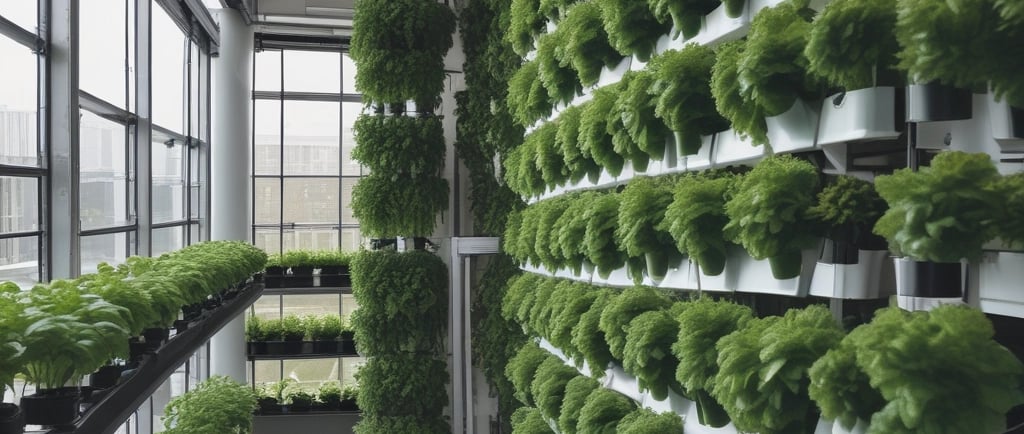
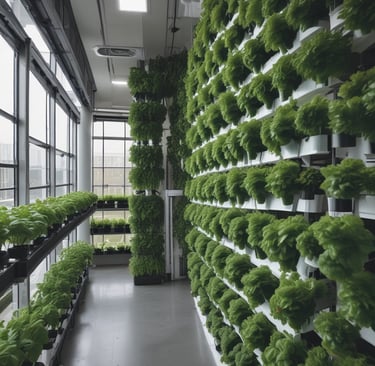
🌱 Vertical Farming in USA: The Future of Sustainable Agriculture
Introduction
Vertical farming in USA is rapidly changing how we grow food. With rising land costs, climate challenges, and increasing demand for fresh produce, traditional farming is struggling to keep up. That’s where vertical farming steps in.
By using vertical greenhouses and advanced hydroponic agriculture US systems, farmers can grow crops indoors, year-round, with less water and land. From large-scale operations to emerging NY agri startup ecosystems, this innovation is reshaping the future of food production.
In this guide, you’ll learn how vertical farming works, its benefits, challenges, and why it’s becoming one of the fastest-growing sectors in U.S. agriculture.
🌿 What is Vertical Farming?
Vertical farming is a method of growing crops in stacked layers, often indoors, using controlled environments.
Instead of relying on soil and weather, it uses:
Artificial lighting (LED grow lights)
Climate control systems
Hydroponic or aeroponic systems
Key Features of vertical growing
Stacked growing systems
Minimal land usage
Precise nutrient control
Year-round production
🏙️ Why Vertical Farming in USA is Growing Fast
The rise of vertical farming in USA is not accidental. Several key factors are driving its rapid adoption.
1. Urban Population Growth
Cities like New York, Los Angeles, and Chicago need fresh food close to consumers. Vertical farms reduce transportation costs and deliver fresher produce.
2. Climate Change Challenges
Extreme weather affects traditional farming. Vertical farming offers a controlled environment, eliminating weather risks.
3. Water Conservation
Hydroponic systems use up to 90% less water compared to traditional farming.
4. Limited Farmland
Urban expansion is shrinking farmland. Vertical farming maximizes output in small spaces.
🌱 How Vertical Greenhouses Work
A vertical greenhouse combines traditional greenhouse structures with vertical farming techniques.
Core Components of vertical Farms:
Multi-layer growing racks
LED lighting systems
Automated irrigation
Climate control (temperature, humidity, CO₂)
Benefits of Vertical Greenhouses:
Use natural sunlight + artificial light
Lower energy costs than fully indoor farms
Scalable for both small and large operations
💧 Hydroponic Agriculture US: The Backbone of Vertical Farming
Most vertical farming in USA relies on hydroponic agriculture US systems.
What is Hydroponics?
Hydroponics is growing plants without soil, using nutrient-rich water.
Popular Hydroponic Systems:
Nutrient Film Technique (NFT)
Deep Water Culture (DWC)
Drip Irrigation Systems
Advantages of Vertical Farming:
Faster plant growth
Higher yields
Reduced pests and diseases
Efficient nutrient use
🚀 Rise of NY Agri Startup Ecosystem
New York is becoming a hub for innovative NY agri startup companies focused on vertical farming.
Why New York?
High demand for fresh, local produce
Strong investment ecosystem
Access to urban infrastructure
Government support for sustainable agriculture
What These Startups Are Doing:
Building rooftop farms
Developing AI-powered growing systems
Creating energy-efficient vertical greenhouses
Supplying local restaurants and grocery stores
📊 Benefits of Vertical Farming in USA
✅ 1. Year-Round Production
No dependency on seasons means continuous supply.
✅ 2. Higher Yield per Square Foot
Stacked systems maximize production.
✅ 3. Reduced Transportation Costs
Farms are located near cities.
✅ 4. Pesticide-Free Crops
Controlled environments reduce the need for chemicals.
✅ 5. Sustainability
Less water usage
Reduced carbon footprint
Efficient land use
⚖️ Challenges of Vertical Farming
Despite its advantages, vertical farming also faces challenges.
❌ High Initial Costs
Infrastructure
LED lighting systems
Automation technology
❌ Energy Consumption
Indoor farms rely heavily on electricity.
❌ Technical Expertise
Requires skilled professionals to manage systems.
❌ Limited Crop Variety
Currently best suited for:
Leafy greens
Herbs
Microgreens
💡 Vertical Farming vs Traditional Farming
FeatureVertical FarmingTraditional FarmingLand UseVery LowHighWater UsageLowHighWeather DependencyNoneHighYieldHighModerateSetup CostHighLower
🛠️ How to Start a Vertical Farming Business in USA
If you’re considering entering the vertical farming in USA market, here’s a step-by-step approach:
1. Choose Your Farming Model
Indoor vertical farm
Vertical greenhouse
Hybrid system
2. Select Crops
Focus on high-demand, fast-growing crops:
Lettuce
Kale
Basil
Microgreens
3. Invest in Technology
Hydroponic systems
LED lighting
Automation tools
4. Find the Right Location
Urban areas offer better ROI due to proximity to consumers.
5. Partner with Buyers
Local restaurants
Grocery stores
Farmers markets
📈 Future of Vertical Farming in USA
The future of vertical farming in USA looks promising.
Emerging Trends:
AI-driven crop management
Renewable energy integration
Expansion of vertical greenhouses
Growth of urban farming networks
Experts predict the industry will grow significantly over the next decade as demand for sustainable food increases.
❓ FAQs About Vertical Farming in USA
1. What is vertical farming in USA?
Vertical farming in USA is a modern agricultural method where crops are grown in stacked layers using controlled environments and hydroponic systems.
2. Is vertical farming profitable in the US?
Yes, especially in urban areas where demand for fresh, local produce is high. However, initial investment costs can be significant.
3. What crops grow best in vertical farms?
Leafy greens, herbs, and microgreens are the most successful crops due to their short growth cycles.
4. How does hydroponic agriculture US work?
It uses nutrient-rich water instead of soil to grow plants, allowing faster growth and higher efficiency.
5. Are vertical greenhouses better than indoor farms?
Vertical greenhouses use natural sunlight, reducing energy costs, making them more efficient in some cases.
🔗 Internal Link Suggestions
Sustainable Agriculture Practices
🌍 External Link Suggestions
USDA – Urban Agriculture Programs
FAO – Sustainable Food System
✅ Conclusion
Vertical farming in USA is no longer just an idea—it’s a rapidly growing solution to modern agricultural challenges. With the rise of vertical greenhouses, advanced hydroponic agriculture US systems, and innovative NY agri startup companies, the future of farming is clearly moving upward—literally.
While challenges like cost and energy use still exist, the long-term benefits far outweigh the drawbacks.
👉 If you’re a farmer, investor, or entrepreneur, now is the perfect time to explore vertical farming opportunities in the USA Contact Us